


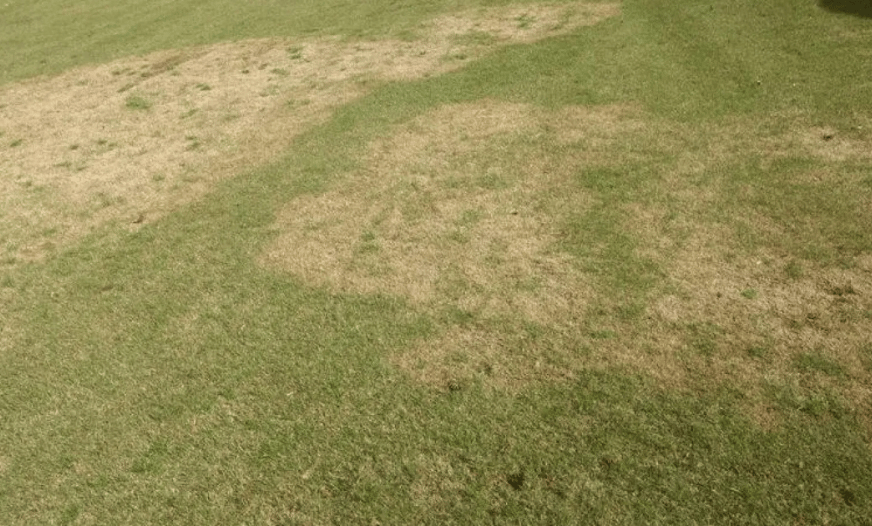
Common Lawn Diseases in New Jersey and How to Prevent Them
Why Lawn Diseases Thrive in Central New Jersey's Climate
Central New Jersey's humid summers, wet springs, cool falls, and harsh winters create ideal conditions for fungal lawn diseases in cool-season turfgrasses like Kentucky bluegrass, tall fescue, perennial ryegrass, and fine fescues. High humidity, prolonged leaf wetness from dew or rain, temperature swings, and compacted clay soils stress lawns and invite pathogens. Rutgers University Turfgrass Program experts note that diseases like brown patch, dollar spot, powdery mildew, red thread, and leaf spot/melting out are among the most common in NJ home lawns, often flaring up under specific weather patterns.
As detailed in the Rutgers Disease Calendar for Landscape Turf in New Jersey (a seasonal guide by Dr. Bruce Clarke), these issues peak at different times—brown patch in warm, humid periods, dollar spot in early summer/fall, powdery mildew in shaded, humid conditions, and leaf spots in cool, wet springs. Poor cultural practices (overwatering, improper mowing, nutrient imbalances) exacerbate risks, but proactive management through Farah Landscape Design's Elite Turf Management program can prevent most outbreaks.
Top Common Lawn Diseases in New Jersey
Here are the most prevalent lawn diseases in New Jersey, with symptoms, causes, and NJ-specific triggers based on Rutgers research and local observations.
1. Brown Patch (Rhizoctonia solani)
- Symptoms: Large, irregular brown/thinning patches (up to 3+ feet), often with a "smoke ring" of grayish mycelium in humid mornings. Grass blades show tan lesions with dark borders.
- When/Why in NJ: Peaks in summer (night temps >68°F, high humidity, prolonged wetness). Common in tall fescue and perennial ryegrass—worsened by excess nitrogen or poor airflow.
- Rutgers Insight: Highly damaging in cool-season turf; avoid evening watering to reduce leaf wetness duration.
2. Dollar Spot (Clarireedia spp., formerly Sclerotinia homoeocarpa)
- Symptoms: Small, silver-dollar-sized (1–6 inches) straw-colored or bleached patches; hourglass-shaped leaf lesions with tan/orange borders. Patches merge in severe cases.
- When/Why in NJ: Active from late spring through fall, worst in humid, dewy conditions with low nitrogen or drought stress. Prevalent on Kentucky bluegrass, bentgrass, and fine fescues.
- Rutgers Insight: From FS1070 fact sheet—light, frequent nitrogen applications reduce severity; avoid low mowing and excessive thatch.
3. Powdery Mildew (Blumeria graminis)
- Symptoms: White/gray powdery coating on leaves (looks like flour dusted on grass), yellowing, and thinning in shaded areas.
- When/Why in NJ: Thrives in cool, humid, shaded spots (common under trees in Central NJ yards) during spring/fall transitions.
- Rutgers Insight: Listed in the Disease Calendar; improve airflow and sunlight exposure to prevent.
4. Leaf Spot / Melting Out (Drechslera/Bipolaris spp.)
- Symptoms: Small brown/football-shaped spots on leaves that expand, causing yellowing, premature death, and "melting out" of patches in severe cases.
- When/Why in NJ: Spring/early summer in cool, wet weather; hits Kentucky bluegrass hardest, but affects fescues and ryegrass too.
- Rutgers Insight: From Plant & Pest Advisory—cool, wet conditions favor infection; proper mowing height and aeration help.
5. Red Thread (Laetisaria fuciformis)
- Symptoms: Pink/reddish threads or lesions on leaf tips in irregular patches; grass appears thin and rusty.
- When/Why in NJ: Cool, wet springs/falls with low nitrogen or excessive moisture.
- Rutgers Insight: FS798 covers integrated control—fertilize appropriately and avoid overwatering.
Other notables from Rutgers sources include rust, snow mold (winter), summer patch, and Pythium blight—all tied to NJ's variable weather.
Prevention Strategies: Cultural Practices to Keep NJ Lawns Disease-Resistant
Prevention beats treatment—Rutgers emphasizes integrated approaches over reactive fungicides (which are often preventive and timing-critical for homeowners).
- Fertilize Properly: Use balanced, timed applications (e.g., our 5-stage Elite Turf Management program). Avoid excess nitrogen in summer (fuels brown patch); focus on fall for root strength. Soil test via Rutgers Soil Lab for pH/nutrients.
- Water Wisely: 1 inch/week, deeply/infrequently, early morning (6–10 AM) to dry blades quickly. Avoid evening watering—Rutgers research debunks late-night myths but stresses reducing leaf wetness.
- Mow Correctly: Keep at 3+ inches for cool-season grasses; never remove >1/3 blade at once. Sharp blades prevent tearing.
- Aerate & Dethatch: Relieve compaction and improve airflow/drainage—critical for NJ clay soils.
- Improve Airflow & Sunlight: Prune overhanging trees/shrubs.
- Choose Resistant Varieties: Overseed with tolerant cultivars when renovating.
- Monitor & Act Early: Scout regularly; pair with Smart Drainage Solutions to avoid excess moisture/root rot.
From Rutgers FS102 and summer lawn resources: Healthy, vigorous turf tolerates low-level disease pressure without chemicals.
When to Call Professionals for NJ Lawn Disease Control
If symptoms appear widespread, fungicides may be needed preventively (e.g., for high-value turf). Homeowners often struggle with timing—our Elite Turf Management includes monitoring, targeted treatments, and cultural tweaks for seamless protection.
Frequently Asked Questions About Lawn Diseases in Central New Jersey
What is the most common lawn disease in NJ?Brown patch and dollar spot top the list, per Rutgers and local reports—both thrive in humid conditions.
Do I need fungicides for every disease?No—cultural fixes (mowing, watering, fertilizing) prevent most. Fungicides are preventive and best left to pros for timing.
How does poor drainage contribute?Excess moisture promotes root rot and fungi—see our 5 Signs Your Property Has a Drainage Problem post.
Can a 5-stage program prevent diseases?Yes—balanced nutrition, aeration, and timing build resistance. Link to The Science of Green.
Where can I get a soil test in NJ?Rutgers Soil Testing Lab—essential for tailored prevention.
Keep Your Central NJ Lawn Healthy and Disease-Free
Don't let fungi steal your yard's beauty. Farah Landscape Design's expert team, led by Alex Farah, delivers proactive NJ lawn care through Elite Turf Management—preventing common diseases before they start. Schedule a free consultation today in Mercer County, Somerset County, Middlesex County, or nearby areas. Protect your investment with science-backed solutions—contact us now for a thriving, resilient lawn!
.svg)
Prevention is the best medicine for your lawn—strong cultural practices and timely care keep diseases at bay, so your turf stays green and resilient through New Jersey's tough seasons.
.png)